BLOG POST #10: Reflections on Artificial Intelligence
BLOG POST #10: Reflections on Artificial Intelligence
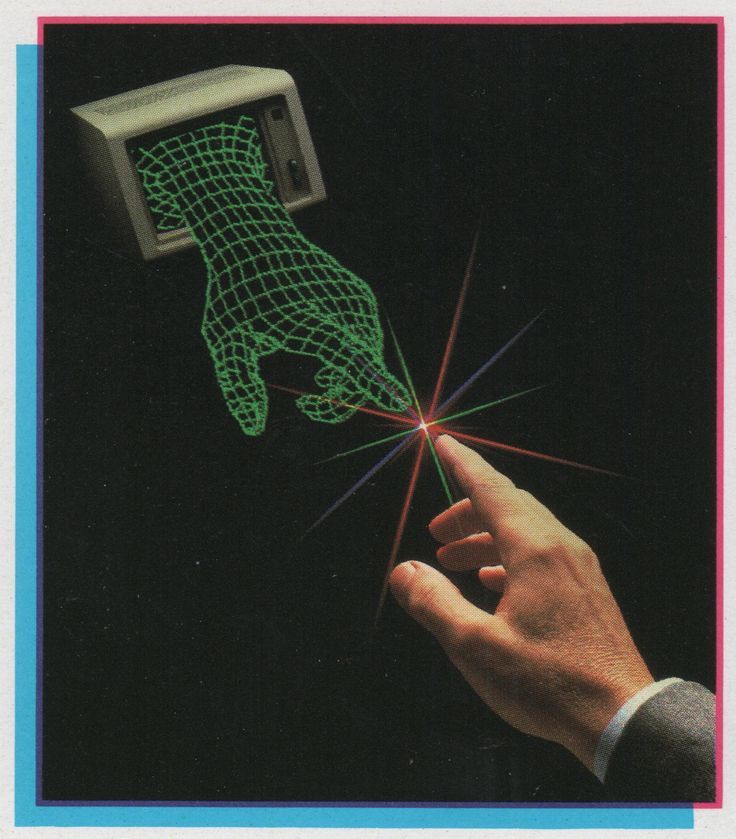
After watching the video, I came away realizing that artificial intelligence is no longer something that belongs only in science fiction. It is already a part of everyday life, from the apps we use and the recommendations we receive online to virtual assistants and medical technology. The video showed how quickly AI and machine learning are advancing and how these technologies will likely continue to shape our future in ways we cannot fully predict.
One of the biggest takeaways for me was how much good AI can do. In healthcare, AI can help doctors detect diseases earlier and analyze medical images more accurately. Businesses can use AI to improve customer service, reduce repetitive work, and make better decisions using large amounts of data. Students also benefit from AI through personalized learning tools that can explain difficult concepts and adapt to different learning styles. These examples made me realize that AI has the potential to improve people's quality of life if it is developed responsibly.

At the same time, the video highlighted several concerns that I think deserve just as much attention. Privacy was one of the biggest issues discussed. AI systems often rely on enormous amounts of personal data to function effectively. While that data can make services more personalized and convenient, it also raises important questions about who owns our information and how it is being used. Many people probably do not realize how much of their personal data is collected every day through smartphones, websites, and apps.
National security was another topic that stood out to me. AI can strengthen a country's defenses by identifying cyber threats more quickly and helping governments analyze information faster than humans alone. However, the same technology can also be used by hostile governments or criminal organizations to launch more sophisticated cyberattacks, spread misinformation, or automate hacking attempts. Like many technologies, AI itself is not good or bad. Its impact depends on how people choose to use it.

The discussion about online security and identity theft was especially eye-opening. As AI becomes more advanced, criminals may have better tools to create convincing phishing emails, fake voices, or realistic videos designed to trick people into giving away personal information. This makes it even more important for individuals to use strong passwords, enable two-factor authentication, keep software updated, and think carefully before sharing sensitive information online.
Overall, I think artificial intelligence offers incredible opportunities, but it also requires responsibility from governments, businesses, and individuals. Innovation should continue, but it should be accompanied by strong privacy protections, ethical guidelines, and cybersecurity measures. My biggest takeaway from the video is that AI is a powerful tool, and like any powerful tool, its benefits depend on how wisely we choose to use it.


Comments
Post a Comment